
An Instagram mutual follow checker takes two public usernames and answers one question: does the follow relationship run both ways, one way, or not at all? It's a single comparison, not a saved history — repeat it whenever you need a current answer.
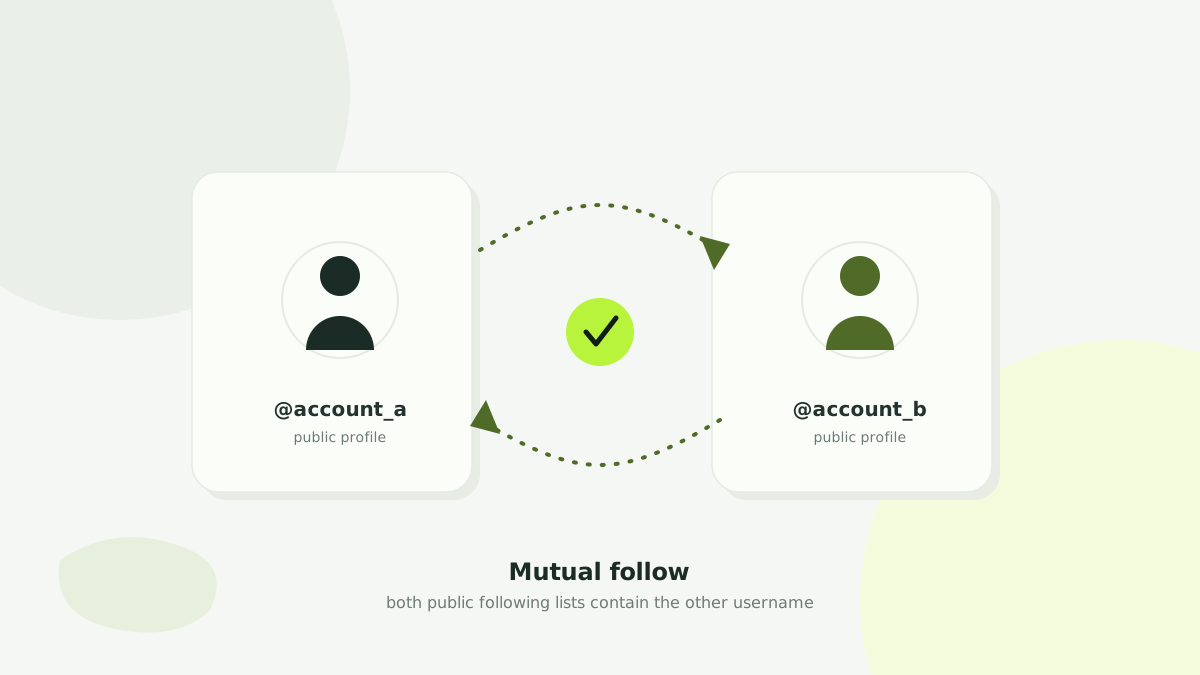
The checker looks for account B inside account A's public following list, and account A inside account B's public following list. Both present means mutual. Only one present means one-way. Neither present means no current follow relationship, at least between two public profiles.
How a mutual-follow comparison works
The check doesn't need a special "mutual" database. It runs the same following-list lookup twice — once per account — and checks each list for the other username. Because it depends on two separate public lookups, both accounts have to be public and the usernames have to be entered correctly for the result to mean anything.
Why both accounts need to be public
A private account only shares its follower and following lists with accounts it has approved. That restriction applies to every outside tool equally — there is no way to check a private account's following list without being an approved follower yourself. If a check comes back empty, confirm neither profile is private before treating it as "not following."
Reading mutual, one-way, and not-found results
- Mutual: each account appears in the other's following list — both follow each other.
- One-way: only one direction is present — one account follows the other, but not back yet.
- Not found: neither list contains the other username, so there's currently no follow relationship visible between them.
A one-way or not-found result isn't necessarily permanent — it just reflects the lists at the moment of the check.
The "who follows who" myth
A mutual-follow check cannot reveal a private account's list, cannot show who viewed a profile, and cannot confirm an exact time either follow happened. Treat the result as a current-state comparison, not a timestamped record. For order and timing questions, see how Instagram's following order actually works.
Practical uses for a mutual-follow check
- Confirming a partnership or collaboration follow-back before an outreach message.
- Checking your own relationship with a brand, creator, or community account.
- Verifying a claimed mutual connection before treating it as evidence of a relationship.
It is not a substitute for a full audience audit — for that, pair it with the unfollow tracker or a follower export.
Frequently asked questions
Can two private accounts be checked for a mutual follow?
No. Both accounts need to be public. A private account's follower and following lists are visible only to its approved followers, so no outside comparison tool can read them.
Why does a mutual checker sometimes disagree with what I see in the app?
The check reflects the following lists at the moment it ran. If either account followed or unfollowed the other afterward, or if a list is capped or cached, the result can look out of date until it's rechecked.
Is checking a mutual follow the same as checking who follows you back?
It's the same underlying comparison, just applied to two named accounts instead of your own audience against your following list. Both start from the same two public following-list lookups.